What can reduce your cortisol, extend your life span by 10 years and has the healing potential to provide accessible solutions for mental and physical health, helping with loneliness, trauma, dementia, and physical rehabilitation?
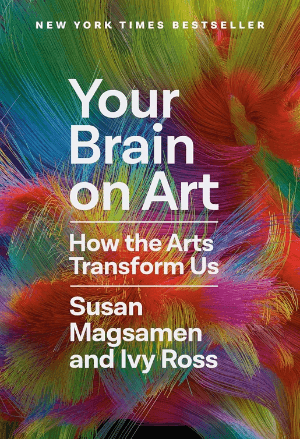
Just finished reading Your Brain on Art: How the Arts Transform Us, written by Susan Magsamen, a neuroscientist, and Ivy Ross, a Google hardware designer.
I first became interested in the intersection of the arts and neuroscience when I was researching my book The Creative Advantage. The research was still developing at that time and this book updates on how far the evidence has come.
Through neuroarts, the transdisciplinary study of how the arts and aesthetic measurably change the body, brain and behaviour experiences, they detail how this knowledge is translated into specific practices that advance health and wellbeing.
It also introduced me to a new term - the field of neuroaesthetics- The study of how the arts and physical aesthetics alter our neurological and biological systems.
I really liked the methodical evidence based approach based on numerous case studies and the ease at which they are able to demonstrate how specific arts-based interventions are becoming integrated into medicine.
They stressed key health benefits:
- Stress Reduction: Just 45 minutes of creative activity lowers levels of the stress hormone cortisol.
- Neurotransmitter Release: Engaging with art triggers dopamine, serotonin, oxytocin, and endorphins, to reduce anxiety and boost emotional well-being.
- Neuroplasticity: Sensory interactions build new neural pathways that aid in memory, learning, and physical healing from trauma or chronic illness.
They point to numerous examples in the arts that have a direct healing benefit:
- Sound and Vibration: Using the vibrations of tuning forks or specific auditory frequencies to actively counteract physical stress.
- Movement and Dance: Helping Parkinson's patients improve motor skills and rhythm through dance therapy.
- Visual Arts & Biophilic Design: Incorporating plants, natural light, and curves in environments like hospitals to accelerate surgical recovery, reduce pain, and alleviate anxiety.
- Social Arts: Doctors writing "social prescriptions" for museum visits to directly combat loneliness and cognitive decline in dementia patients.
It points definitively to how the arts can trigger the release of crucial neurotransmitters –
Dopamine, Serotonin and Oxytocin.
- Dopamine: Drives motivation and sparks the pleasure and reward systems.
- Serotonin: Regulates, stabilizes, and elevates overall mood.
- Oxytocin: Fosters feelings of deep social connection, trust, and collaboration.
These artistic experiences shift brain activity by quieting the analytical, judging parts of the prefrontal cortex, allowing individuals to enter highly productive flow states. This process enhances neuroplasticity—building and strengthening new neural pathways that aid in cognitive growth, emotional healing, and learning.
The arts also provide practical outcomes by building community through shared cultural and artistic experiences that foster deep social cohesion.
And all this through the simple creatives acts of painting, dancing, music, and design.
Transform your world through the power of the arts.
For more go to www.yourbrainonart.com