The next installment of the curated creativity posts series focuses on the topic of sleep and creativity.There are literally thousands of books, consultants and business schools advocating how to increase productivity. While some still hold the view that they must put more hours in, the evidence is clear that if this means less sleep, this depletes our mental acuity and undermines our potential for sustained achievement.
The following posts explore how a good sleep routine is essential to our emotional, physical and cognitive health and how this can enhance your creativity and problem solving.

To start with consider the neuroscience of sleep and the brain state of theta. This state is the one that's best for problem solving and occurs when you are falling asleep, waking up, or drifting in that sweet spot between active alertness and deep dreaming. It explains how tasks become so automatic that your mind disengages, allowing free-flowing, uncensored ideation to take place.
It's why we get the best ideas in the shower or while shaving or brushing your hair. It’s a state where tasks become so automatic that you can mentally disengage from them. The ideation that can take place during the theta state is often free flow and occurs without censorship or guilt.
Sleep, Covid and Creativity and How Much Sleep is Enough?
There’s a growing body of research that shows the importance of sleep and the need to be fully rested for your brain to function at its optimum, ensuring longer term brain health and enabling connections to creative responses. The US Centre for Disease Control stipulate a minimum of seven hours of sleep a night for the average adult. In other words, the shorter your sleep, the shorter your life.
Five Simple Ways To Enhance Your Creativity
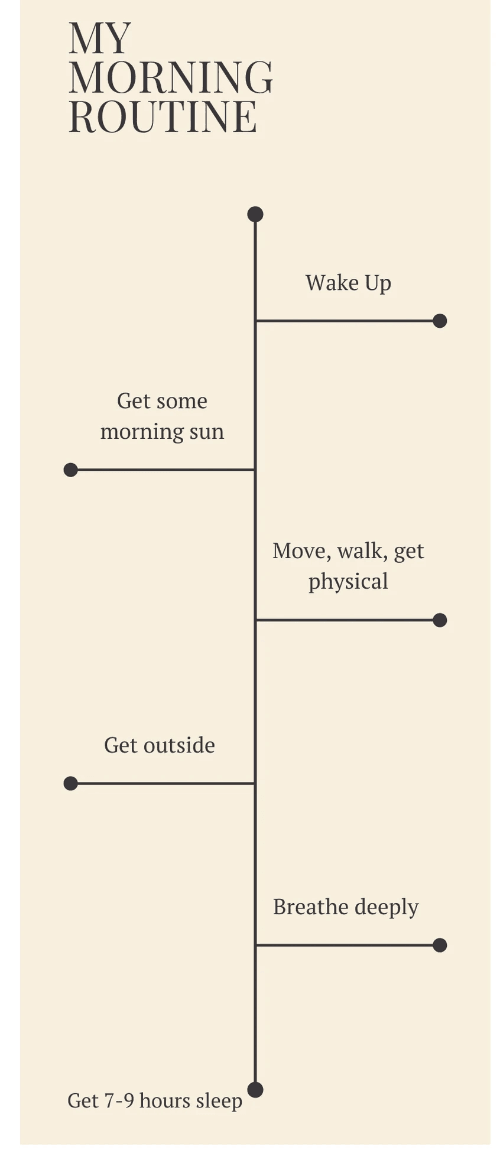
There’s growing consensus from science that an effective brain–body connection is integral to our higher order cognitive function and essential to maintaining our ability to problem solve, stay motivated and explore more creative ways of being. There are many business coaches who now advocate for introducing simple yet effective routines into our mornings to help energise us, with many being shown to enhance our creative abilities.
Can Napping Boost Your Creativity?
It’s not just that a rested person is more productive, as Dr William Dement, director of the Stanford University Sleep Research Centre notes. He reinforces the need for sleep as an important precursor to creativity. He points to the preparation necessary before creative insights are achieved as creativity is dependent on learning and memory and these capacities are strongly affected by sleep patterns and the lack of sleep.
You can also check out Chapter 12 of The Creative Advantage (book 1) to find out more about how you can create a sleep routine that will enhance your creative practice.